58th Carnegie International announces artists

Trib Live
By JoAnne Klimovich Harrop

“Good morning.”

It’s a saying we probably hear daily, but everyone’s “morning” might not be the same.

The better question might be “Is it morning for you yet?” a Mayan Kaqchikel expression that is the title of the 58th Carnegie International. Kaqchikel is a language spoken in Guatemala.

The exhibit acknowledges that human beings’ internal clocks and experiences are different. When it’s morning for some, it might still be night for others, according to a conversation with Guatemalan artist Édgar Calel.

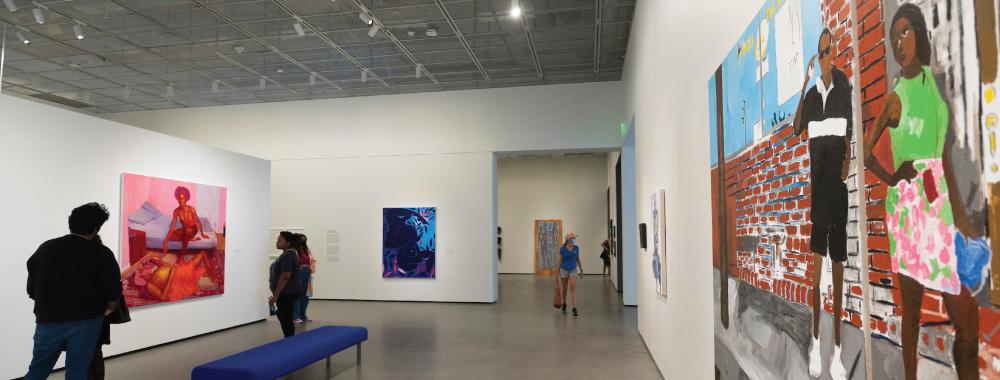
He will be one of the 150 creatives who will present a new commission for the show that opens Sept. 24. It runs through April 2 at the Carnegie Museum of Art in Oakland.

LaToya Ruby Fraser, Latish Walker Leading Her Community Walking Tour in East Baltimore with John Hopkins Interns, 2021, Baltimore MD

Many participating artists will showcase multiple works — some historical pieces from the collections of international institutions, estates and artists. There will also be new commissions and recent works by contemporary artists.

“There is a definite aspect of this exhibit that is about time, which is something we all share,” said Sohrab Mohebbi, the Kathe and Jim Patrinos Curator of the 58th Carnegie International. “We could be on the same clock in different ways. We have our individual time, but we also have our common time together.”

Mohebbi collaborated with associate curator Ryan Inouye, curatorial assistant Talia Heiman and a team of experts to select pieces that span from 1945 to the present. This will be the first time many of the artists will be showing their work in the U.S.

Established in 1896, the Carnegie International is the longest-running North American exhibition of international art. Organized every three to four years, the event presents an overview of how art and artists respond to the critical questions of our time.

“It’s about solidarity, while each piece is unique, in one exhibit,” Mohebbi said. “These work well together while at the same time, the works are disobedient. How can we make one exhibit that has structure that incites the arts and let the work do what it does best — question our beliefs and expand how we think about the world.”

Mohebbi said art is a form of resistance and survival. He said the exhibition is unique for Pittsburgh, which keeps the history of contemporary art and its tradition alive.

“This is a great treasure with great traditions to be acknowledged,” Mohebbi said. “I invite the city to join us and experience some of the public programs we will be offering to run concurrently with the show.”

Read more…

Courtesy of: Trib Live

Photographer LaToya Ruby Frazier’s exhibit reveals the resilience of the people of Flint, Michigan

WBUR Boston
NPR Here & Now
By Karen Michel

LaToya Ruby Frazier spent five years photographing people and places in Flint, Michigan. Her photos tell a story about a community in struggle, confronting the water crisis and ultimately triumphing through the community.


This photo is part of LaToya Ruby Frazier’s “Flint is Family” Exhibition. (Courtesy of the Gordon Parks Foundation. Photographs by Ed Cody.)

This segment aired on May 2, 2022


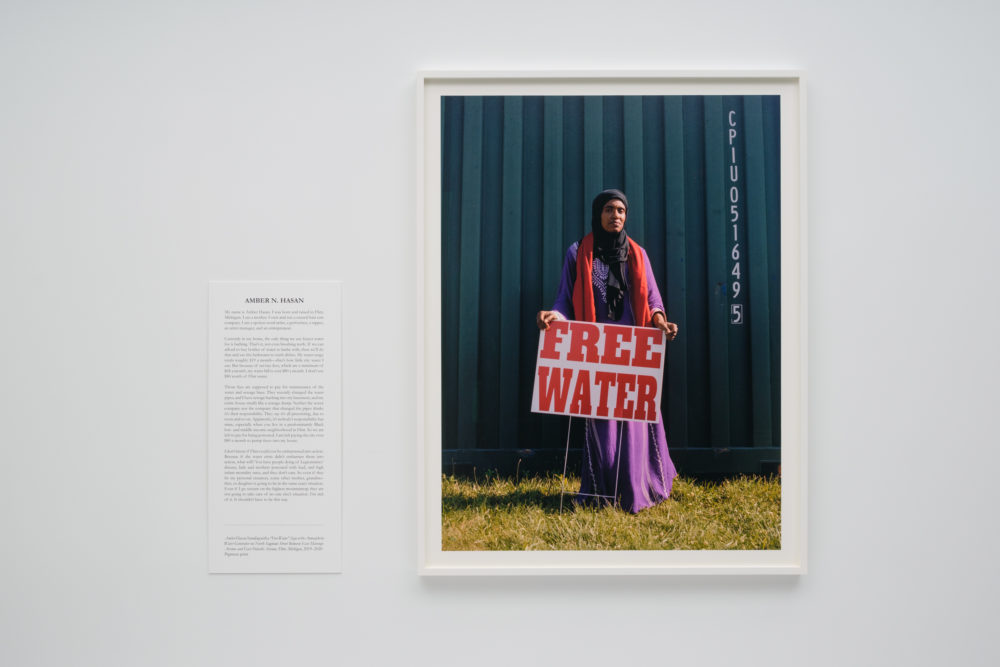
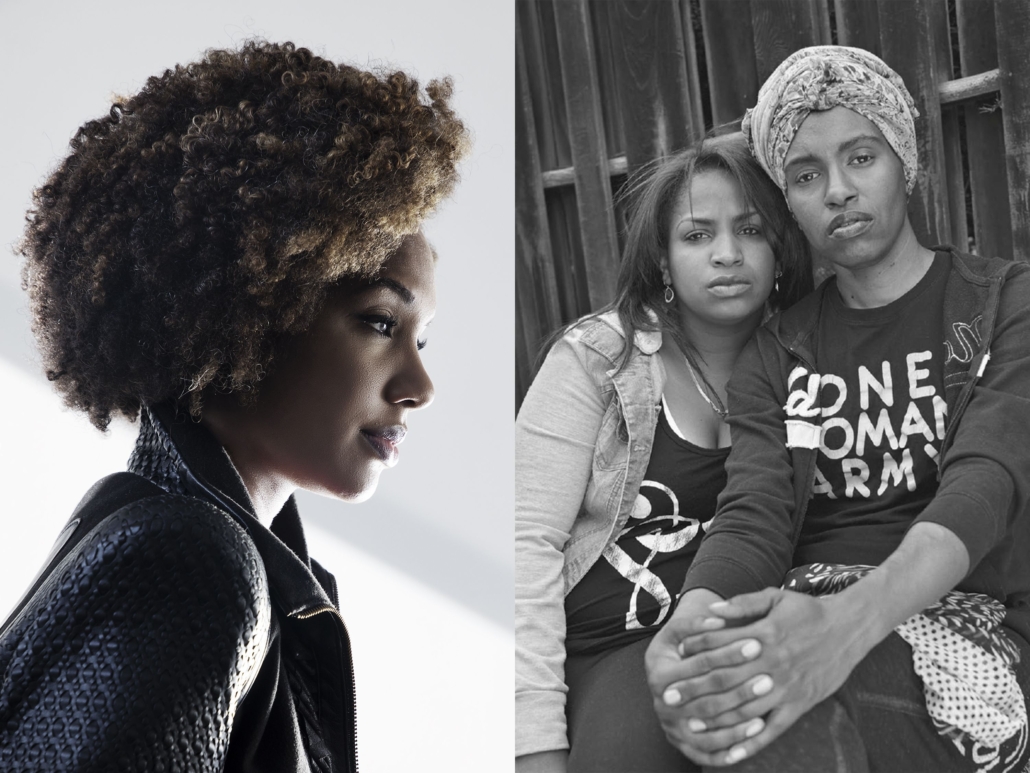
Amber Hasan is an artist, entrepreneur and activist. She was born and raised in Flint, Michigan. (Courtesy of the Gordon Parks Foundation. Photographs by Ed Cody.)
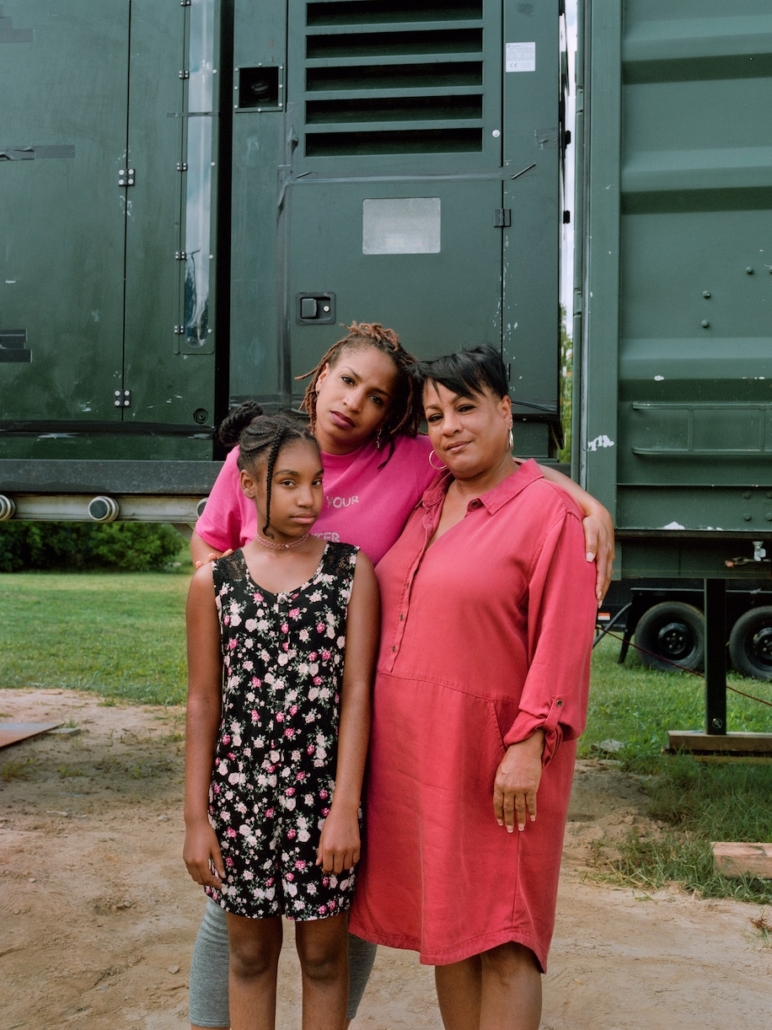
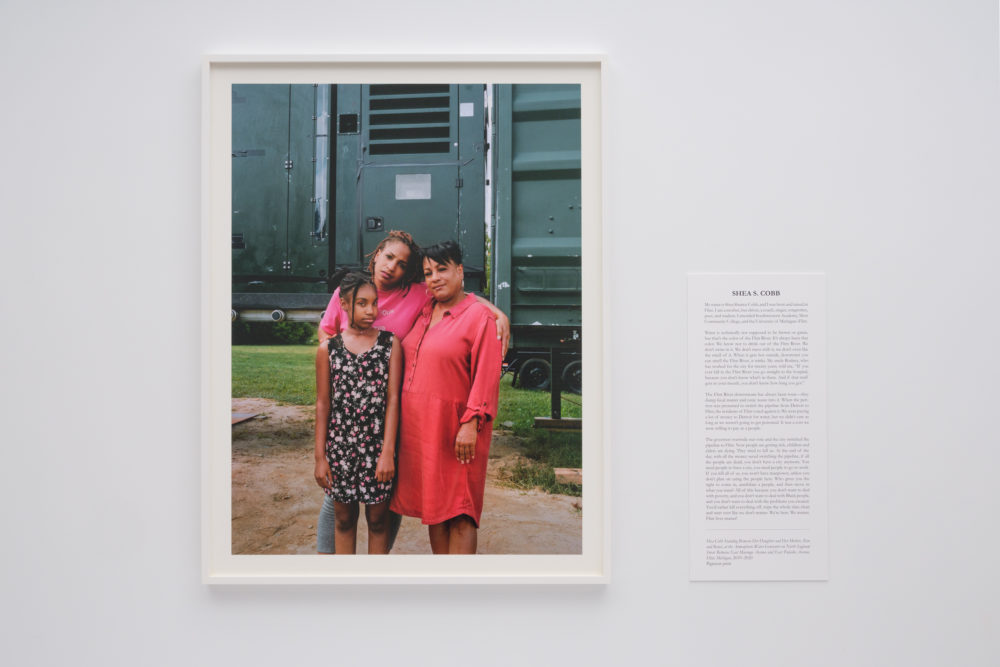
LaToya Ruby Frazier’s photo of Flint activist and poet Shea Cobb and her family. She was born and raised in Flint, Michigan. (Courtesy of the Gordon Parks Foundation. Photographs by Ed Cody.)

Read more…

Courtesy of: WBUR Boston

LaToya Ruby Frazier in conversation with Flint artists

VIRTUAL EVENT
LaToya Ruby Frazier in conversation with Flint artists and activists Shea S. Cobb and Amber N. Hasan

The Gordon Parks Foundation
Thursday, April 21, 2022, 6PM ET

Moderated by Michal Raz-Russo, Programs Director, The Gordon Parks Foundation

CLICK HERE TO REGISTER AND WATCH VIA ZOOM


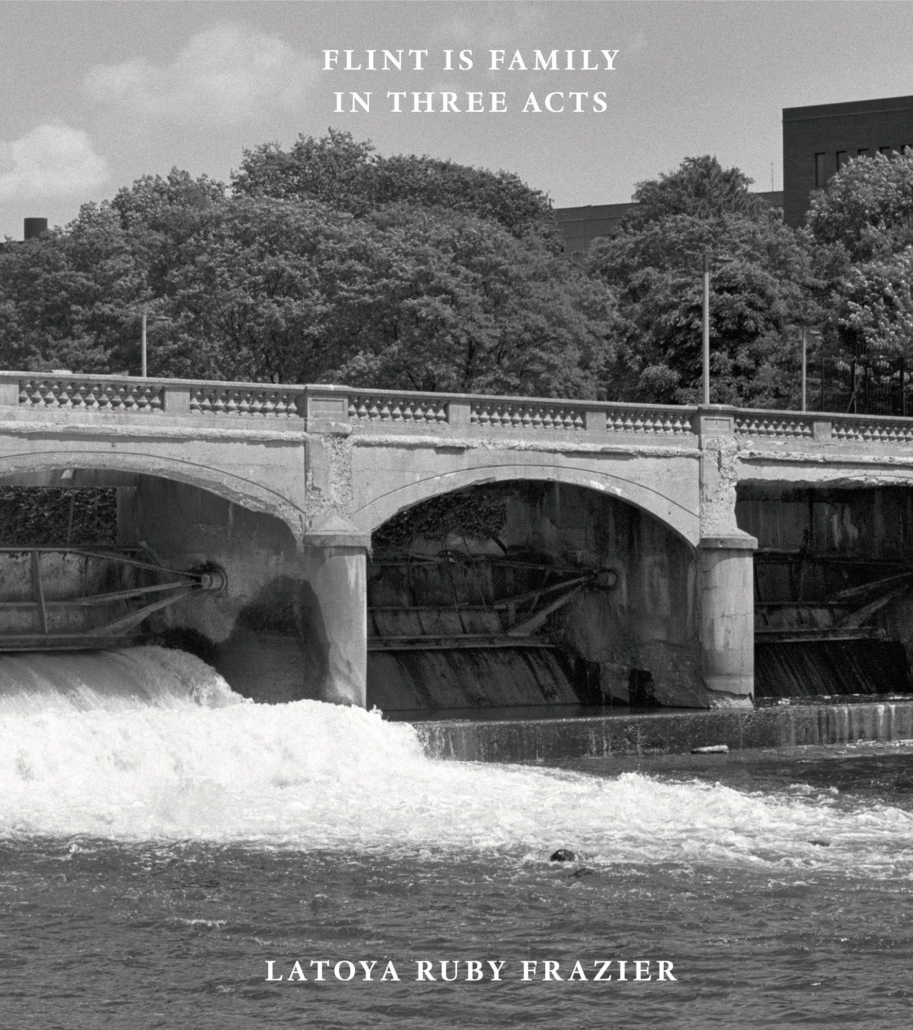
The Gordon Parks Foundation is pleased to announce the opening of LaToya Ruby Frazier: Flint Is Family In Three Acts. The exhibition celebrates the publication of a Frazier’s book by the same name—the inaugural recipient of The Gordon Parks Foundation / Steidl Book Prize. Flint Is Family In Three Acts chronicles the ongoing man-made water crisis in Flint, Michigan, from the perspective of those who live and fight for their right to access free, clean water. Featuring photographs, texts, poems, and interviews made in collaboration with Flint community members, this body of work serves as an intervention and alternative to mass-media accounts of this political, economic, and racial injustice.

Frazier first traveled to Flint in 2016, as part of an Elle magazine commission to do a photo essay about the water crisis there. During that trip she met Shea S. Cobb, a Flint poet, activist, and mother; and Amber N. Hasan, a mother, hip-hop artist, herbalist, and community organizer, who developed a collaborative creative sisterhood with Frazier. Divided into three acts, Flint Is Family follows Cobb as she fights for her family’s and community’s health and well-being. Spurred by the lack of mass-media interest in the impact of this ongoing crisis, Frazier’s approach ensures that the lives and voices of Flint’s residents are seen and heard, and that their collective creative endeavors provide a solution to this man-made water crisis. Flint Is Family In Three Acts is a twenty-first-century survey of the American landscape that reveals the persistent segregation and racism that haunts it. In equal measure, it is also a story of a community’s strength, pride, and resilience in the face of an ongoing crisis. The exhibition features photographs from Act II and Act III of Flint Is Family In Three Acts, texts by Flint community members, as well as a video Frazier made to accompany the September 2016 Elle article.

LaToya Ruby Frazier was born in 1982 in Braddock, Pennsylvania. Her artistic practice spans a range of media, including photography, video, and performance, and centers on the nexus of social justice, cultural change, and commentary on the American experience. In various interconnected bodies of work, Frazier uses collaborative storytelling with the people who appear in her artwork to address topics of industrialism, Rust Belt revitalization, environmental justice, access to healthcare, family, and communal history. Her work is held in numerous national and international museum collections. Frazier is the recipient of the prestigious MacArthur Fellowship (2015) and Guggenheim Fellowship (2014), among other honors and fellowships. Her first book, The Notion of Family (2014), received the International Center for Photography Infinity Award. Frazier currently lives and works in Chicago.

Shea S. Cobb lives and works in Flint, Michigan, where she was born and raised. She is an artist, mother, author, musician, and co-founder of the grassroots organization The Sister Tour. She began her artistic career performing poetry during children’s summer programs and organizing poetry showcases in her community. Her books of poetry include Travels in my Car: Dedicated to the Writer’s Freedom and Honey Tea and Hibiscus: Reflective Heart Poetry (both 2018), and Ruby in the Rough: A Dedication to LaToya Ruby Frazier (2020), co-authored with Amber N. Hasan. Cobb studied communications at the University of Michigan—Flint and at Mott Community College. With Frazier and The Sister Tour, Cobb has traveled across the country telling the story of her community and the water crisis through public programs and performances.

Amber N. Hasan is a writer, wife, mother, actor, hip- hop artist, herbalist, and community organizer residing in Flint, Michigan. She has been writing for as long as she can remember, viewing the practice as a sacred vehicle for feeling spiritually whole and fulfilling life’s purpose. Among her publications is her collection of poetry written with Shea Cobb, Ruby in the Rough: A Dedication to LaToya Ruby Frazier (2020). She is also co-founder of The Sister Tour, which offers platforms, resources, and safe spaces for women artists and entrepreneurs. Hasan is the owner of Mama’s Healing Hands, a line of natural healing products that was launched to address hair loss and skin rashes suffered by Flint residents as a result of the water crisis.

Courtesy of: The Gordon Parks Foundation

Flint Is Family In Three Acts

The Gordon Parks Foundation
Exhibition Announcement
April 13 – June 24, 2022

Flint Is Family In Three Acts is a twenty-first-century survey of the American landscape that reveals the persistent segregation and racism that haunts it.

LaToya Ruby Frazier: Flint Is Family In Three Acts (2022)
Co-published with The Gordon Parks Foundation
Series edited by Peter W. Kunhardt, Jr.
Edited by Michal Raz-Russo
Contributions by Leigh Raiford
ISBN: 978-3-95829-753-1


Celebrating the publication of LaToya Ruby Frazier: Flint Is Family In Three Acts (2022)—the inaugural recipient of The Gordon Parks Foundation / Steidl Book Prize—this exhibition features selections from this five-year body of work. Frazier’s Flint Is Family In Three Acts chronicles the ongoing man-made water crisis in Flint, Michigan, from the perspective of those who live and fight for their right to access free, clean water. Featuring photographs, texts, poems, and interviews made in collaboration with Flint community members, this project serves as an intervention and alternative to mass-media accounts of this political, economic, and racial injustice.

In 2014, as a cost-cutting measure, the Flint City Council switched the town’s water supply from a Detroit treatment facility to the industrial waste–filled Flint River.

Forced to consume and bathe in water contaminated with lead at twenty-seven times the government’s maximum threshold, Flint’s citizens—predominantly Black and overwhelmingly poor—fell ill almost immediately, and many battle chronic medical conditions as a result.

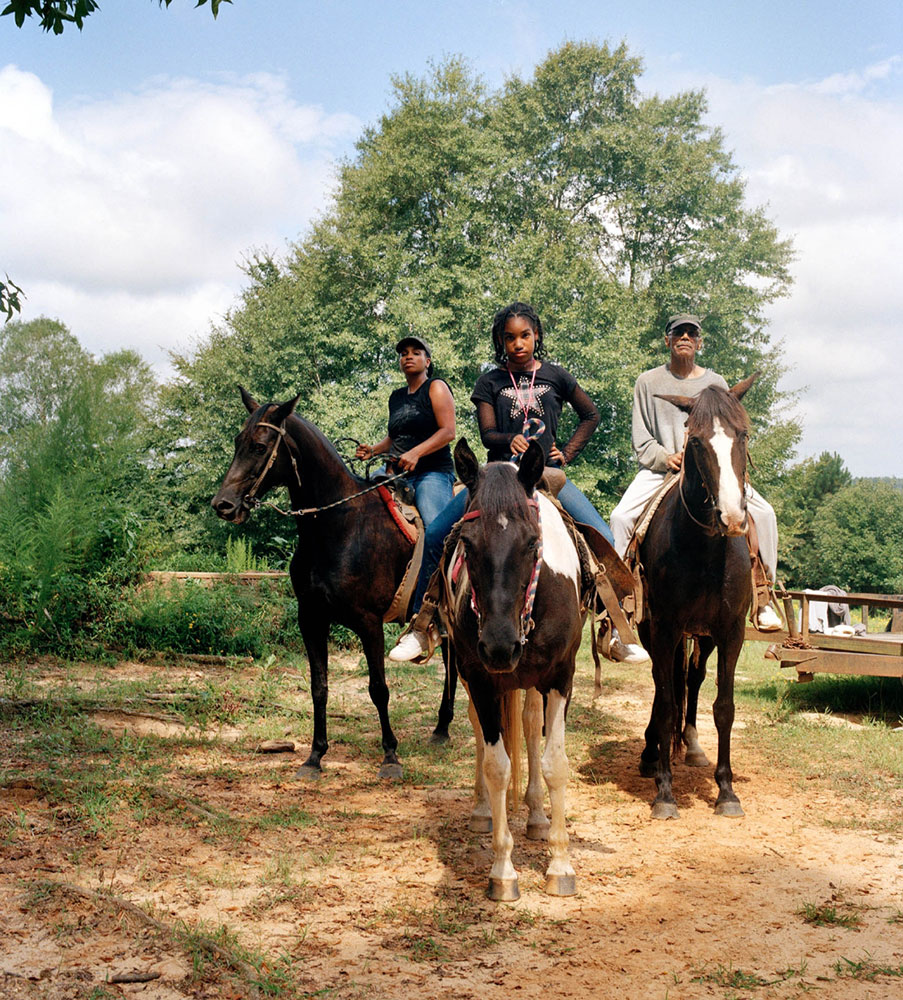
Frazier first traveled to Flint in 2016, as part of an Elle magazine commission to do a photo essay about the water crisis. During that trip she met Shea S. Cobb, a Flint poet, activist, and mother, who became her collaborator. Divided into three acts, Flint Is Family follows Cobb as she fights for her family’s and community’s health and well-being. Act I introduces Cobb, her family, and The Sister Tour, a collective of women artists. Cobb, who lives with her mother and her daughter, Zion, works as a school bus driver and hairstylist, while launching a career as a poet, singer, and songwriter. To protect her daughter’s health, Cobb makes the critical decision to leave her mother and friends behind and make the reverse migration to Mississippi, where her father resides on family-owned land. Act II follows Cobb and Zion to Newton, Mississippi, where they move in with Cobb’s father, Mr. Douglas R. Smiley. There they learn how to take care of his horses, as well as the land and fresh water springs they will one day inherit. Because of segregation and discrimination in the Newton County school system, Cobb and Zion eventually return to Flint. Act III documents the arrival in Flint in 2019 of a 26,000-pound atmospheric water generator that Frazier, Cobb, and her best friend, Amber N. Hasan—a hip-hop artist, herbalist, and community organizer—help set up and operate in their neighborhood.

Zion, Her Mother Shea, and Her Grandfather Mr. Smiley Riding on Their Tennessee Walking Horses, Mares, P.T. (P.T.’s Miss One Of A Kind), Dolly (Secretly), and Blue (Blue’s Royal Threat), Newton, Mississippi, 2017-2019

Spurred by the lack of mass-media interest in the impact of this ongoing crisis, and inspired by the collaborative work of photographer Gordon Parks and writer Ralph Ellison in 1940s Harlem, Frazier’s similarly collaborative approach ensures that the lives and voices of Flint’s residents are seen and heard, and that their collective creative endeavors provide a solution to this man-made water crisis. Flint Is Family In Three Acts is a twenty-first-century survey of the American landscape that reveals the persistent segregation and racism that haunts it. In equal measure, it is also a story of a community’s strength, pride, and resilience in the face of an ongoing crisis.

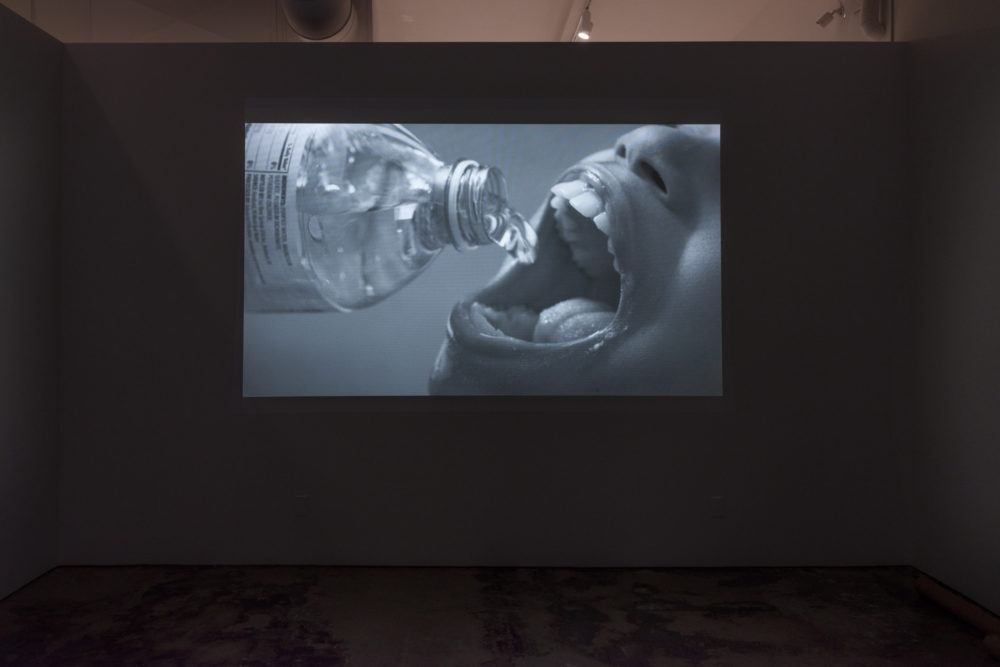
Included in the exhibition are photographs from Act II and Act III of Flint Is Family In Three Acts, texts by Frazier’s collaborators, as well as a video Frazier made to accompany the September 2016 Elle article. It features a montage of still images from Act I narrated by Cobb—a direct response to the absence of Flint residents’ voices in the published article.

Read more…

Courtesy of: The Gordon Parks Foundation

8th Triennial of Photography Hamburg 2022: Currency

Engaging the theme of Currency from various perspectives, the 8th Triennial of Photography Hamburg opens on May 20, 2022 with twelve exhibitions presenting over 75 artists.

From appraised colonial-era photo albums to poetic reveries, social documentary and conceptual approaches to photography, the exhibitions explore the myriad ways in which photographs are produced, circulated, and interpreted.

latoya ruby frazier photo of Tuklor and Moses West
LaToya Ruby Frazier, Tuklor and Moses West Helping Deontray Crocket and a Flint Community Member Refill Jugs to Distribute to Elderly and Disabled Community Members (Ms. Rene Cobb and Shea Cobb Look On, and a Flint Community Member Passes By), Flint, Michigan, 2019, © LaToya Ruby Frazier. Courtesy of the artist and Gladstone Gallery.


The Kunstverein in Hamburg will host a solo exhibition of the artist and photographer LaToya Ruby Frazier, namely, Flint is Family, Act III, the last part of her photo series in which Frazier documented the ongoing water crisis in Flint, Michigan. Extending critical work around resources, Kunsthaus Hamburg presents Seeing the Wood for the Trees by the Italian design duo Formafantasma – a series of visual essays from their extensive project Cambio that investigates the development and regulation of the global timber industry.

[…]

Read more…

8th Triennial of Photography Hamburg 2022: Currency

12 Exhibitions in Hamburg

May 20-September 18, 2022
Opening weekend: May 20-22, 2022

Festival and launch Triennial Expanded: June 2-6, 2022

All additional information at: www.phototriennale.de

The Gordon Parks Foundation/Steidl Book Prize of 2020

LaToya Ruby Frazier: Flint Is Family In Three Acts

Co-published by The Gordon Parks Foundation and Steidl

Series edited by Peter W. Kunhardt, Jr.
Edited by Michal Raz-Russo
Contributions by Leigh Raiford

NOW AVAILABLE through Gladstone Gallery (US) and Steidl (EU)

LaToya Ruby Frazier is a visual artist known for collaborative storytelling with the people who appear in her photographs, videos, texts, and performances. Her use of the photograph as a platform for social justice and visual representation for working-class families is rooted in her commitment to expose the violation of basic human rights and promote environmental justice, access to healthcare, education, employment, and migration and immigration equity. Her photographs often become a source of empowerment that leads to creative solutions.

Frazier’s Prize culminated in the publication of Flint Is Family In Three Acts, which chronicles the ongoing man-made water crisis in Flint, Michigan from the perspective of those who live and fight for their right to access free, clean water. Featuring Frazier’s photographs, texts and poetry by Shea S. Cobb, Amber N. Hasan, Douglas R. Smiley, and Flint community members, as well as scholarly essays by Frazier, Leigh Raiford, and Michal Raz-Russo, this five-year body of work, begun in 2016, serves as an intervention and alternative to mass-media accounts of this political, economic, and racial injustice.

In 2014, as a cost-cutting measure, the Flint City Council switched the town’s water supply from a Detroit treatment facility to the industrial waste-filled Flint River. Forced to consume and bathe in water contaminated with lead at 27 times the government’s maximum threshold, Flint’s citizens—predominantly Black and overwhelmingly poor—fell ill almost immediately and many battle chronic medical conditions as a result.

Frazier first traveled to Flint in 2016, as part of a magazine commission to do a photo essay about the water crisis. During that trip she met Shea Cobb, a Flint poet, activist, and mother who became Frazier’s collaborator. Divided into three acts, Flint Is Family follows Cobb as she fights for her family’s and community’s health and wellbeing. Act I introduces Cobb, her family, and The Sister Tour, a collective of women artists. Cobb lives with her mother and her daughter, Zion. She works as a school bus driver and hairstylist, while launching her career as a poet, singer, and songwriter. To protect her daughter’s health, Cobb makes the critical decision to leave her mother and friends behind and make the reverse migration to Mississippi, where her father resides on family owned land. Act II follows Cobb and Zion to Newton, Mississippi, where they move in with Cobb’s father, Mr. Douglas R. Smiley. There, they learn how to take care of his horses, as well as the land and fresh water springs they will one day inherit. Due to segregation and discrimination in the Newton County school system, Cobb and Zion eventually return to Flint. Act III documents the arrival of a 26,000-pound atmospheric water generator to Flint in 2019 that Frazier, Cobb, and her best friend, Amber Hasan—a hip-hop artist, herbalist, and community organizer—helped set up and operate in their neighborhood.

Spurred by the lack of mass-media interest in the impact of this ongoing crisis, and inspired by the collaborative work of photographer Gordon Parks and writer Ralph Ellison in 1940s Harlem, Frazier’s collaborative approach ensures that the lives and voices of Flint’s residents are seen and heard, and that their collective creative endeavors provide a solution to this man-made water crisis. Flint is Family In Three Acts is a 21st century survey of the American landscape that reveals the persistent segregation and racism that haunts it. In equal measure, it is also a story of a community’s strength, pride, and resilience in the face of a crisis that is still ongoing.

Flint is Family in Three Acts at Steidl

PRESS RELEASE

Courtesy of: The Gordon Parks Foundation